Stage Function in Tandem to Storytelling Acts
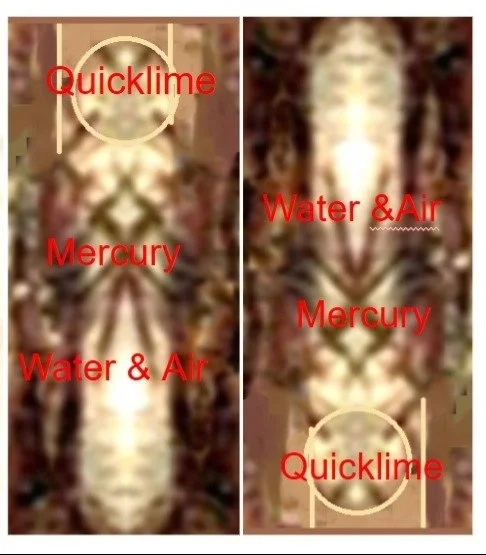
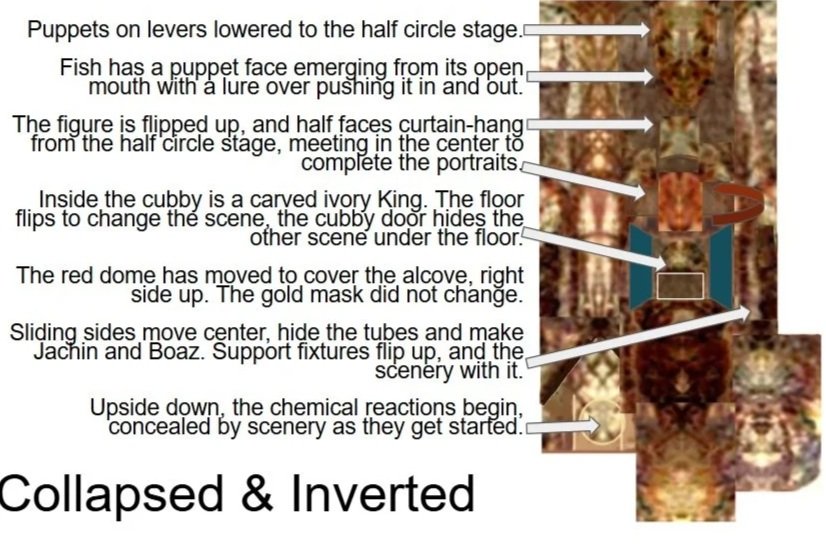
When the tubes telescope-collapse, so does the entire machine: the flat alcove and cubby section can fit behind the red dome. The black, sphere fixtures and support arms can move in any direction independently, and there are fixtures for the arms to lock in at many levels.
The idea is that the stage expands and the effects occur with the progress of storytelling.
Within the lowest section are the earliest stories - featuring Isaiah getting sawed in half (action/sound), then slightly higher up are Isaac and Esau (half portraits/action). Abraham and Sarah are told about Isaac (possible sound effects). For these stories, the stage is laterally collapsed to hide the tubes, and the scenery and gold mask are arranged as necessary.
The next story is first to invert the machine. Isaac’s great-grandson, David is played by a jointed puppet, and Goliath is a portrait in two halves that separate at his death. The act is in the same part of the machine, but now it is the top. After David takes Goliath’s sword, the stage partially grows and exposes the covered cubby. Saul battles the Philistines - chemical reactions are initiated to provide sound effects. The cubby door opens, Saul falls out as a hangman; and the stage grows to expose that within the alcove, there sits King David as the carved ivory king. Scenery is arranged into landscape at the foot of the machine to represent Jerusalem.
When King David dies, two doors emerge from either side of the alcove and close. The stage wings partially expand to create Jachim and Boaz, the pillars of the First Temple; the red dome is set infront of the temple doors as the Bronze Sea, half of the scenery is landscape; the gold mask configures into a demon, and the carved ivory angel is set as needed. A gold ring is in the alcove - it might be attached to the cross fixture that joins the dynamic arms. When the doors open, the carved ivory king is Solomon. Scenes occur with the demon to precipitate the birth of Jesus. The edges of the temple doors are painted purple to represent a column that held the demon Ephippas. King Solomon’s act concludes with the sound of locusts.
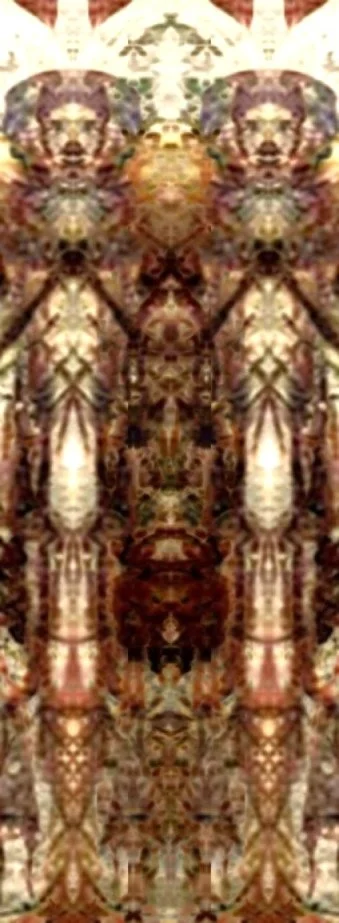
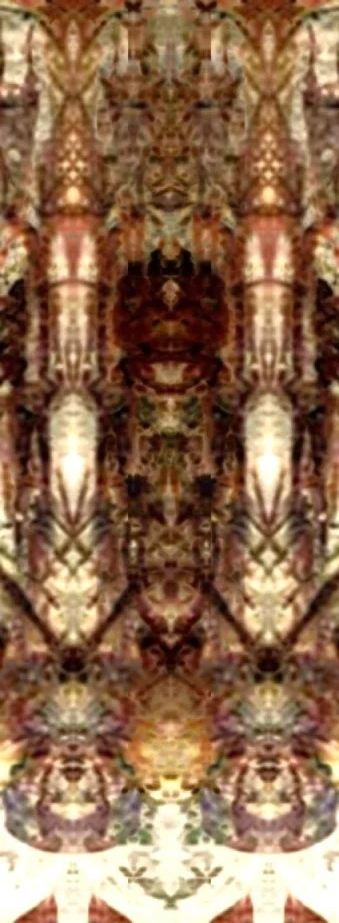
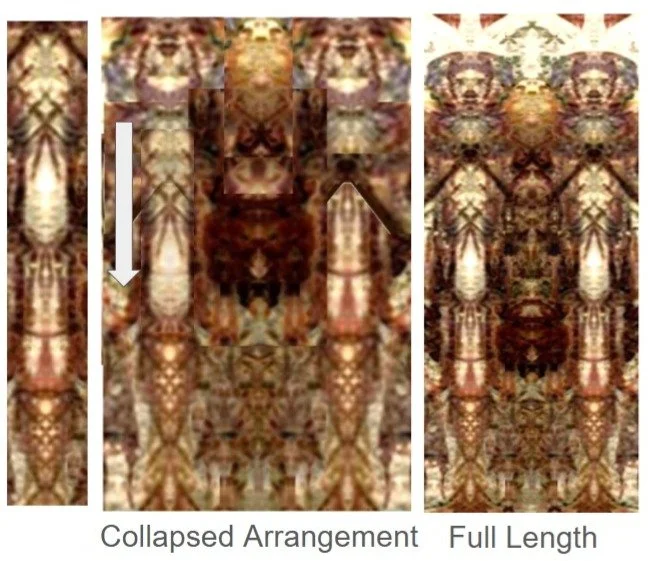
Gold mask configured as Ephippas, fixtures and scenery configured to represent many women